Crucial Will Planning for Senior Citizens: Maintaining Your Generational Wealth
Estate planning serves as a important process for seniors, offering a shield for their legacy. It goes beyond simply making a will; it involves a complete appraisal of assets and healthcare choices. By understanding the details of wills, trusts, and directives, seniors can assure their wishes are honored. However, common pitfalls can complicate these plans. Reviewing these elements can demonstrate the necessity of a properly structured estate plan. What measures should seniors prioritize to protect their legacies effectively?
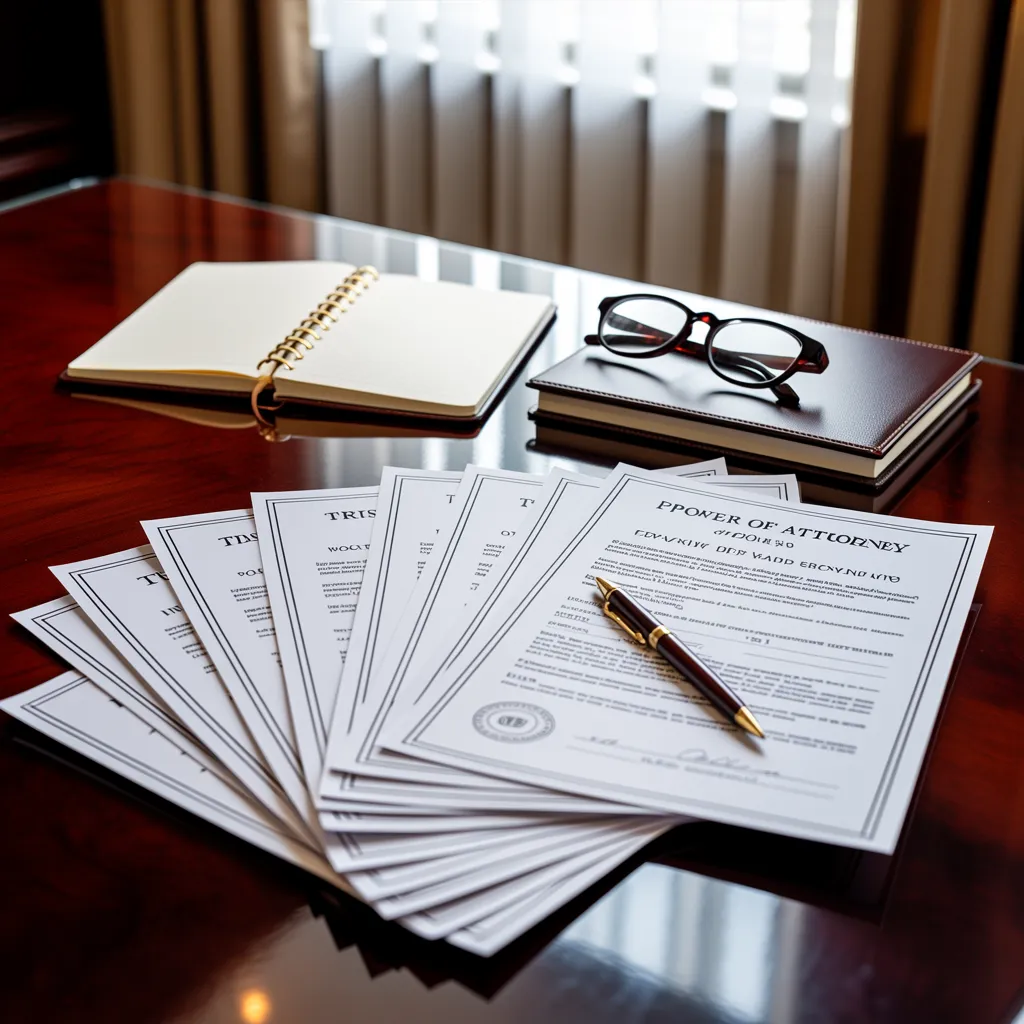
Getting to Know the Basics of Estate Planning for Aging Adults
Understanding the fundamentals of estate planning for seniors is essential, as it guarantees that their preferences are honored and their holdings are distributed according to their desires. This procedure involves a set of important stages to guarantee that legal and financial issues are handled effectively. Seniors should start by assessing their assets, such as properties, bank accounts, and personal belongings, to gain a clear understanding of their estate's value. Next, they need to evidence contemplate their healthcare preferences, which can be recorded through advance directives or powers of attorney. Determining who will inherit and ensuring that they are aware of their roles is also important. By educating themselves about applicable laws and potential tax implications, seniors can decide wisely. Ultimately, a well-structured estate plan not only protects their heritage but also reduces potential anxiety for family members during difficult times, allowing for a easier transfer of assets.
Estate Management: The Importance of Wills and Fiduciary Arrangements
In asset succession, trusts and wills accomplish varied yet cooperative aims. Recognizing the importance of wills, paired with the strengths and types of trusts, remains essential for efficient asset management. Pinpointing the essential distinctions between these options can facilitate retirees in selecting appropriately about their succession planning tactics.
Learning Will's Significance
Wills act as essential components in asset management planning, operating as key legal instruments that determine how an one's assets will be allocated upon their death. They provide clarity and direction, guaranteeing that the late person's wishes are honored, which can help prevent family conflicts. A will allows individuals to name heirs, identify certain property for designated individuals, and even select guardians for underage kids. This legal document also streamlines the probate proceedings, making it easier for executors to handle and disperse the estate. Moreover, wills can incorporate memorial plans, expressing personal wishes. In essence, grasping the purpose of a will is significant for seniors working to preserve their estate and guarantee their wishes are carried out after their death.
Trusts: Pros and Varieties
Wills provide essential directives for estate distribution, whereas trusts give additional layers of flexibility and protection in estate planning. Trusts help in managing assets during one’s lifetime and guarantee a seamless transfer upon death, lessening the necessity for probate. They may be customized to particular needs, such as special needs trusts for dependents or charitable trusts benefiting causes. Additionally, revocable trusts permit changes as situations develop, while irrevocable trusts provide tax benefits and asset protection. By employing trusts, seniors can maintain control over their assets, safeguard their legacies, and provide for loved ones in an organized manner, boosting the overall success of their estate planning strategies.
Primary Disparities Outlined
Both wills and trusts serve important purposes in estate planning, though they differ notably in their composition and function. A will is a legal document designating how an individual’s assets will be distributed upon death, requiring probate to validate its terms. This procedure can be prolonged and is public, which may delay asset distribution. In contrast, a trust allows assets to be transferred during the grantor’s lifetime, avoiding probate and enabling a smoother transfer of wealth. Trusts provide greater privacy and control, with terms that can be crafted to meet specific requirements. Additionally, trusts offer benefits like tax advantages and asset protection, making them a versatile instrument for comprehensive estate planning compared to the more direct approach of a will.
Critical Healthcare Directives All Aged Individual Should Explore
In the scope of estate planning, healthcare directives are essential for seniors to secure their medical preferences are honored. Living wills and powers of attorney are two key components that provide clarity on healthcare decisions when individuals may be unable to convey their wishes. Understanding these directives can greatly affect the quality of care and peace of mind for both seniors and their families.
Living Directives Explored
Numerous seniors may encounter critical medical choices as they grow older, making advance directives an vital component of their estate planning. A living will is a formal agreement that details an person's preferences for medical treatments and interventions in the event they become unable to communicate their wishes. This document helps direct healthcare providers and loved ones, guaranteeing that an person's desires regarding life-sustaining measures, pain management, and other healthcare treatments are honored. By addressing scenarios such as terminal illness or permanent health problems, advance directives offer understanding and peace of mind. Seniors should think about talking about their preferences with relatives and medical experts to ensure their advance directive accurately reflects their values and desires.
Discovering the Power of Legal Representation illustrates how an individual manages affairs on behalf of another.
Many older adults benefit from creating a Power of Attorney (POA) to guarantee their healthcare decisions match their beliefs when they cannot speak for themselves. A POA enables individuals to designate a trusted individual to make healthcare decisions on their account, respecting their wishes. This essential document can cover specific treatments, end-of-life care, and organ transplant preferences. By selecting a healthcare agent, seniors can reduce the weight on relatives who might struggle with challenging decisions during an crisis. It is crucial for older adults to discuss their preferences openly with their chosen agent and family, promoting comprehension and reducing possible disagreements. Establishing a Power of Attorney (POA) reinforces the general legacy planning framework, enhancing sense of security for seniors and their family members.
Selecting the Ideal Estate Administrator: Things to Look For
Determining the right representative is an essential step in legacy planning, as this party will be responsible for managing the distribution of property and ensuring that the deceased's wishes are respected. When selecting an executor, it is important to assess their reliability, organizational capability, and ability to stay unbiased during emotionally intense situations. The ideal candidate should possess a good understanding of finances and legal processes to manage any complexities that may occur. Additionally, determining someone who is available and willing to assume the duties is crucial, as this position can be demanding of time. Reliability is paramount, as the representative will manage sensitive information and make significant decisions on behalf of the estate. It may also be beneficial to select an representative who is located nearby, guaranteeing more convenient contact and cooperation throughout the estate settlement process.
Usual Mistakes to Dodge in Estate Planning
Determining an fiduciary is just one of many aspects that can influence the effectiveness of an estate planning structure. One prevalent error senior citizens commit is procrastinating on preparing or amending their estate planning needs, which can lead to unwanted results. In addition, failing to communicate their intentions with family members can result in confusion and conflict after their departure. Many also disregard tax implications, which could affect the combined value of the estate.
One common mistake is not reviewing their strategies after major life events, such as marriage, divorce, or the birth of a child, which can render previous documents obsolete. Additionally, neglecting to account for digital assets, such as online accounts and cryptocurrencies, may result in complications in asset distribution. By sidestepping these challenges, seniors can help guarantee that their legacies are maintained according to their preferences.
Recommendations for Evaluating and Updating Your Financial Plan
Regularly reviewing and updating an estate plan is vital for ensuring that it accurately reflects an individual's present desires and situations. Seniors should establish a routine review, preferably every three to five years or after major life changes, such as marriage, divorce, or the birth of a grandchild.
During the review, it's important to verify beneficiary designations on financial accounts and insurance policies, as these supersede wills. Older adults should also reevaluate their selected personal representative or fiduciary to confirm they remain appropriate for the role.
Legal and tax statutes may transform, bearing on the estate plan's viability; therefore, consulting an estate planning attorney can supply valuable insights. Additionally, conferring about your goals with family members can prevent disagreements and foster transparency. By taking these steps, seniors can help anchor their legacy and warrant their estate plan remains aligned with their intentions.

Popular Questions Asked Regularly
What Strategies Can Assist Me Lower Estate Taxes for My Heirs?
To lower estate taxes for heirs, one can implement strategies such as transferring assets to heirs while still living, establishing trusts, and taking advantage of available tax breaks and write-offs available under current tax laws to minimize what is subject to estate taxation.
What occurs if I die lacking a estate planning arrangement?
If someone passes away without an estate plan, their assets are allocated according to state laws, possibly leading to unexpected heirs, probate delays, and higher tax burdens, ultimately complicating the procedure for heirs and loved ones.
Can I Alter My Estate Planning Documents After It's Created?
Yes, an individual can change their estate plan after it has been established. Frequent assessments and modifications ensure that the plan represents current wishes and circumstances, tackling any changes in life circumstances or monetary status.
When Should I Evaluate My Beneficiaries? How Frequently Is Recommended?
Your designated recipients should be reviewed at least annually or after significant life changes, such as getting married, divorce, or the arrival of a newborn. Consistent reviews ensure that wishes align with present situations and personal connections.
What Significance Does a Financial Advisor Play in Estate Planning?
A investment advisor plays a role in succession planning by inspecting assets, supplying tax strategies, and ensuring beneficiaries are accurately designated. They also facilitate individuals address complexities, synchronizing estate plans with wealth targets and personal wishes productively.